EXPLORE · DID JOSEPH KNOW MARY? A 14-DAY BIBLICAL INVESTIGATION
FREE SAMPLE · DAY 1 OF 14
Did Joseph Know Mary? A 14-Day Biblical Investigation
Day 1: The Question Matthew Does and Does Not Answer
1 · ARRIVE
Read Matthew 1:18–25 slowly twice. Underline the statements about Jesus’ conception and Joseph’s obedience.
2 · ENCOUNTER
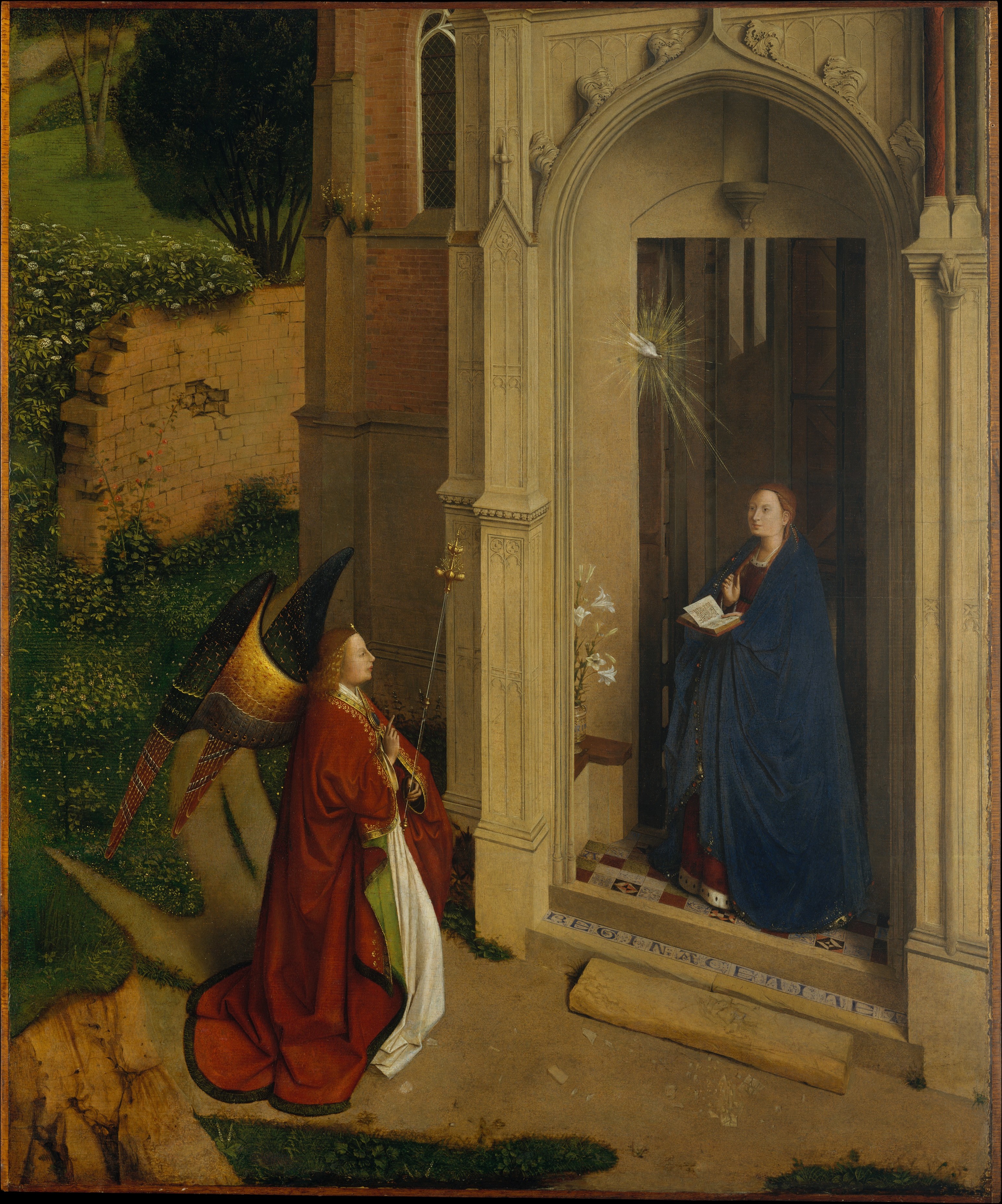
Matthew 1:18–25; Luke 1:34–35
3 · UNDERSTAND
The familiar objection begins with Matthew 1:25: Joseph did not know Mary “until” she gave birth to Jesus. Does this mean that Joseph necessarily had intercourse with Mary later? The first task is to separate what Matthew explicitly reports from what a reader infers. Matthew says Mary conceived by the Holy Spirit before she and Joseph came together. The angel tells Joseph the child is from the Holy Spirit. Joseph obeys, receives Mary as his wife, refrains from sexual relations through the birth, and gives the child his divinely commanded name. The evangelist does not explicitly describe the couple’s subsequent marital relations.
In everyday English, the word “until” can suggest that a state changed afterward. We should acknowledge this natural reading rather than pretend it never occurs. But suggesting a change is not the same as reporting one. The question must be settled by Greek usage, Matthew’s purpose, and any other relevant evidence. Tomorrow we will examine the original Greek, including examples where a reversal is expected and where it is not required.
The Catholic Church believes Mary remained a virgin throughout her life and also teaches her virginal motherhood in childbirth (Catechism of the Catholic Church [CCC] 499–501). This defined doctrine must not be confused with what Matthew 1:25 alone proves. The verse directly supports the virginal conception; it does not by itself prove or disprove virginity after the birth. The Church’s broader claim draws on Scripture understood alongside apostolic Tradition.
Notice also Matthew’s central interest. Joseph belongs to David’s family and names Jesus, but Matthew never presents Joseph as Jesus’ biological father. The passage explains how Jesus enters Joseph’s household while being conceived by the Holy Spirit. A disciplined reader asks what a passage says, what it leaves unsaid, and why the author included it. That method is the foundation of this entire journey.
Sources: Matthew 1:18–25; Luke 1:34–35; CCC 496–501; J. B. Prothro, “Semper Virgo?” (2019), section on Matthew 1:25.
4 · MEDITATE
Which details about Joseph are explicitly reported in Matthew 1:18–25?
Which claim about his later married life would need evidence from somewhere else?
5 · RESPOND
Pray the Glory Be. Then write down one sentence beginning “Matthew says…” and another beginning “Matthew does not tell us…”.
6 · REMEMBER
Matthew guarantees Joseph’s abstinence through Jesus’ birth; it does not narrate what followed.
Continue with Day 2
The rest of this journey is free with an account. Your account saves your progress, and you can open any day at your own pace.