EXPLORE · THE ROSARY THROUGH THE LIVES OF THE SAINTS
FREE SAMPLE · DAY 1 OF 30
The Rosary Through the Lives of the Saints
Day 1: St. John Paul II: Begin with the Face of Christ
1 · ARRIVE
Hail Mary
Hail, Mary, full of grace, the Lord is with thee. Blessed art thou among women and blessed is the fruit of thy womb, Jesus. Holy Mary, Mother of God, pray for us sinners, now and at the hour of our death. Amen.
Traditional prayer; Compendium of the Catechism, Appendix A: 1
2 · ENCOUNTER
Luke 2:19 — “But Mary kept all these words, pondering them in her heart.”
Source: Douay-Rheims (Challoner revision). 1
3 · UNDERSTAND
A set of beads can look like a counting device. You move from one prayer to the next and eventually reach the end. But if finishing becomes the whole purpose, something essential has slipped from view. The Rosary gives the hands a pattern while inviting the heart to remain with Jesus.
St. John Paul II left unusually clear first-person evidence about his attachment to this prayer. In Rosarium Virginis Mariae 2, published in 2002, he recalls its place in his life through joyful and difficult circumstances. This is the testimony of the person himself, rather than a memorable quotation whose source has disappeared. His witness gives us a sound starting point: a lasting prayer habit can accompany changing circumstances.
Luke tells us that Mary kept the events surrounding Jesus and pondered them in her heart (Luke 2:19). Notice the movement. There are events to receive, and then there is patient attention to their meaning. Contemplation is not inventing a more impressive story. It means staying with the truth God has given and allowing it to shape our response.
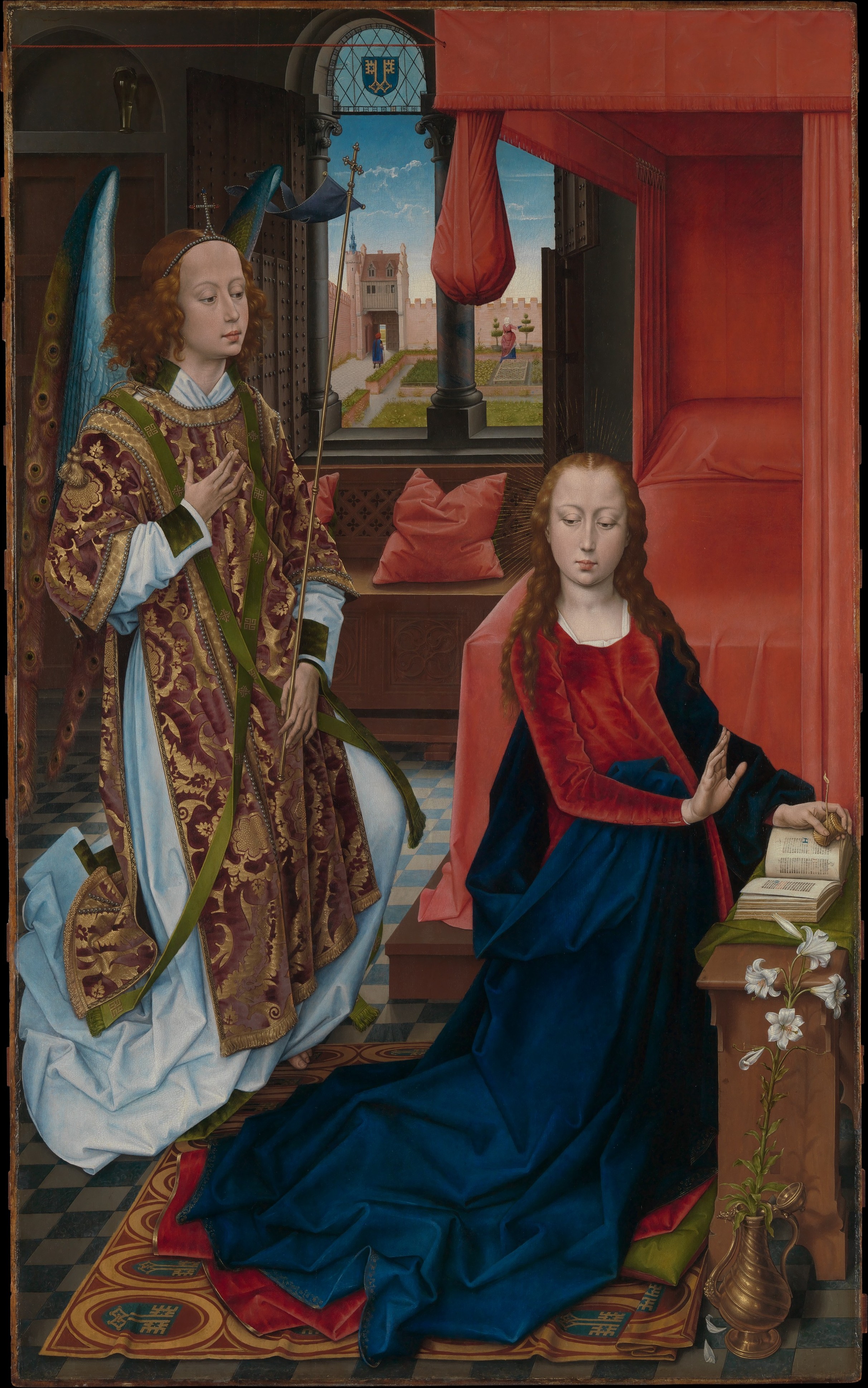
You can begin that way even if the Rosary is unfamiliar. Choose the Annunciation. Read Luke 1:26–38. Notice that the message concerns the coming of Jesus, that Mary asks a genuine question, and that she freely receives the vocation entrusted to her. Then pray a decade while returning gently to that scene. The prayers and the Gospel belong together.
Do not demand an uninterrupted picture in your imagination. Some people think in vivid scenes; others attend more naturally to words or a simple truth. Nor must you manufacture a strong feeling. Today’s task is to turn towards Christ, not to demonstrate a special ability.
We will meet different witnesses over the next thirty days. Their temperaments, situations, and methods will differ. We will also distinguish their own writings from later accounts about them. Keep this first question in view throughout: is the prayer helping me receive Jesus more attentively and answer him more faithfully? That question will serve you better than comparing your number of decades with someone else’s reported achievements.
Sources:
Luke 2:19 (Douay-Rheims, Challoner revision): 1
John Paul II, Rosarium Virginis Mariae 2: 2
4 · MEDITATE
What do I currently regard as the purpose of praying the Rosary?
Which event in Christ’s life would help me begin attentively?
5 · RESPOND
Hail Mary
Hail, Mary, full of grace, the Lord is with thee. Blessed art thou among women and blessed is the fruit of thy womb, Jesus. Holy Mary, Mother of God, pray for us sinners, now and at the hour of our death. Amen.
Traditional prayer; Compendium of the Catechism, Appendix A: 1
Practice today: Read Luke 1:26–38, then pray one decade of the Annunciation, returning gently to Jesus when distracted.
6 · REMEMBER
The beads support a deeper task: staying with Jesus and responding to his grace.
Continue with Day 2
The rest of this journey is free with an account. Your account saves your progress, and you can open any day at your own pace.